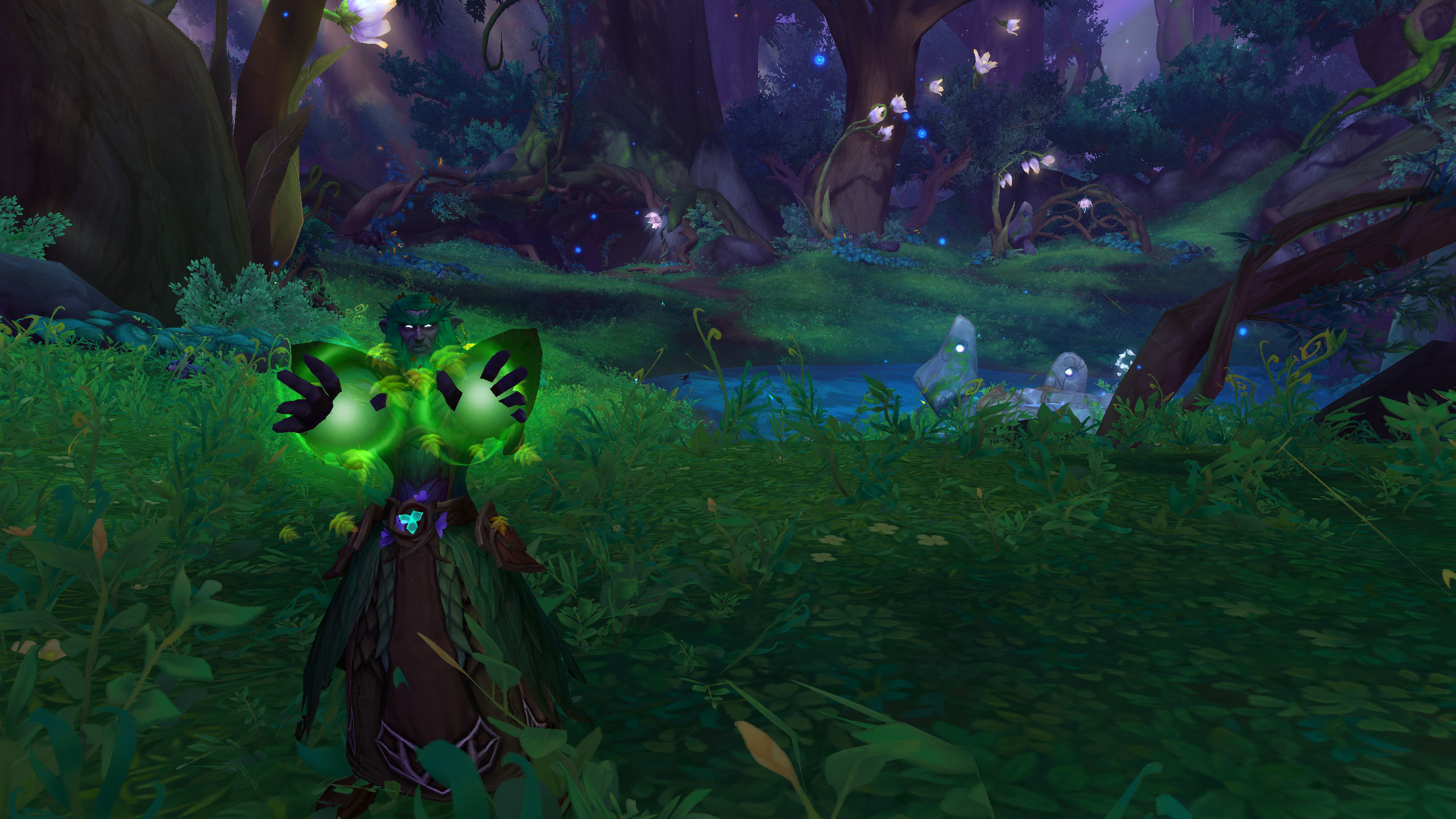
Azeroth’s open fields, forests, peaks, and oceans are vast and beautiful, but for many players, the deeper magic of the world lies underground. Caves, mines, tunnels, forgotten catacombs, and sprawling subterranean networks are some of the most densely packed areas in World of Warcraft. They hold secrets, rare spawns, hidden quests, treasure caches, lore fragments, and environmental storytelling that often surpass the details found on the surface. These underground spaces feel mysterious, dangerous, and rewarding—designed as pockets of discovery meant for the curious player.
This article explores why Azeroth’s caves and tunnels consistently contain some of the game’s best-kept secrets, how Blizzard uses underground design to shape player experience, and why exploring the dark places of the world remains one of WoW’s most fulfilling adventures.
The Psychological Pull of the Unknown
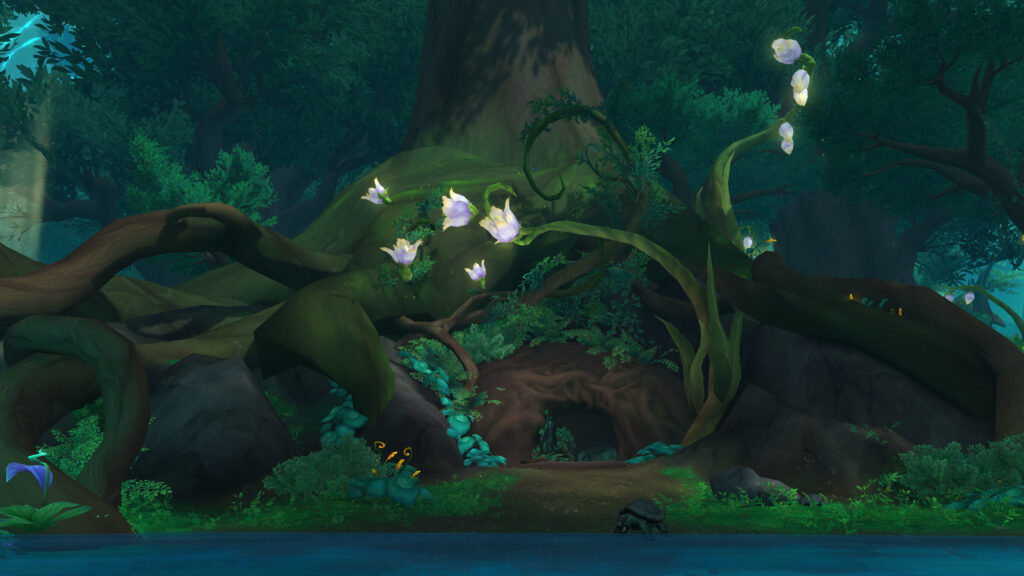
Caves appeal to one of the most primal aspects of exploration: entering the unknown. Their darkness, narrow passages, and enclosed spaces create immediate tension. Even in a stylized world like Azeroth, stepping into a cave triggers curiosity. Players wonder what lies inside—rare mobs, hidden bosses, treasure nodes, or lore secrets. Because caves limit visibility and turn maps into vague outlines, exploration feels personal and adventurous.
Blizzard uses this psychology to reward brave explorers who step off the main path.
Hidden Questlines Begin Underground
Many of WoW’s most interesting quests begin where players least expect them—inside caves marked only by a faint glow or a break in the rock wall. Entire story arcs, such as chains involving forgotten spirits, hidden treasure hunters, or lost adventurers, start in places most players overlook. Blizzard often uses these locations to tuck away lore notes and NPCs that flesh out the world in subtle, meaningful ways.
Caves feel like miniature adventure hubs wrapped in mystery.
Nodes, Rares, and Loot: Underground Density Is Higher Than Surface Zones
Gathering professions and rare mob hunters know that caves frequently contain higher concentrations of resources. Mining nodes cluster along stone walls, herbs grow near luminescent fungi, and rare creatures often patrol secluded chambers far from general traffic. This intentional density rewards players who explore thoroughly rather than rush through zones on autopilot.
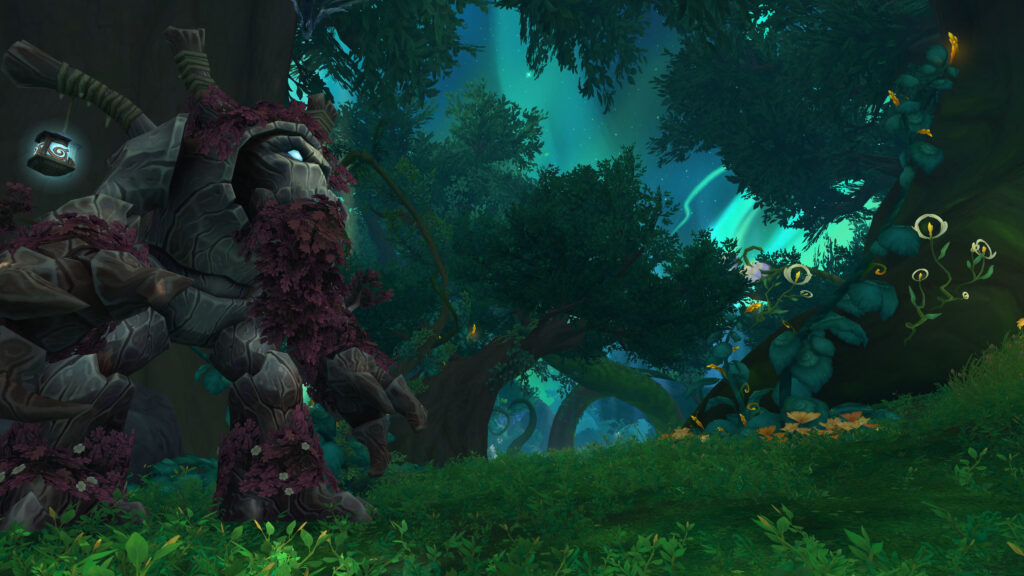
Because caves are less traveled, they encourage a sense of ownership—a personal discovery moment even in a massively multiplayer world.
Table: Types of Secrets Found in Caves Across Azeroth
While each cave feels unique, many follow subtle design patterns that categorize the kinds of secrets players can expect to uncover.
| Secret Type | Description | Where Commonly Found |
|---|---|---|
| Hidden Rares | Rare elites with unique loot or achievements | Zaralek Cavern, Stormheim, Pandaria |
| Treasures | Chests, tablets, offerings, buried items | Dragon Isles, Broken Isles, Kul Tiras |
| Lore Objects | Notes, journals, Titan consoles, murals | Ulduar caves, Highmountain, Deepholm |
| Secret Questlines | NPCs offering puzzles or stealth objectives | Azsuna, Drustvar, TWW underground hubs |
| Profession Bonuses | Special nodes or hidden crafting materials | Zaralek Cavern, Uldaman tunnels |
This variety shows how caves function as micro-environments full of surprises.
Environmental Storytelling Hidden Beneath the Surface
Caves often contain ancient carvings, runes, or objects that reveal fragments of the world’s history. These details foreshadow events, hint at forgotten civilizations, or connect expansions in subtle ways. Dragonflight and The War Within amplify this trend: Earthen carvings, Nerubian rituals, Titan structures, and geological formations all tell silent stories through their design.
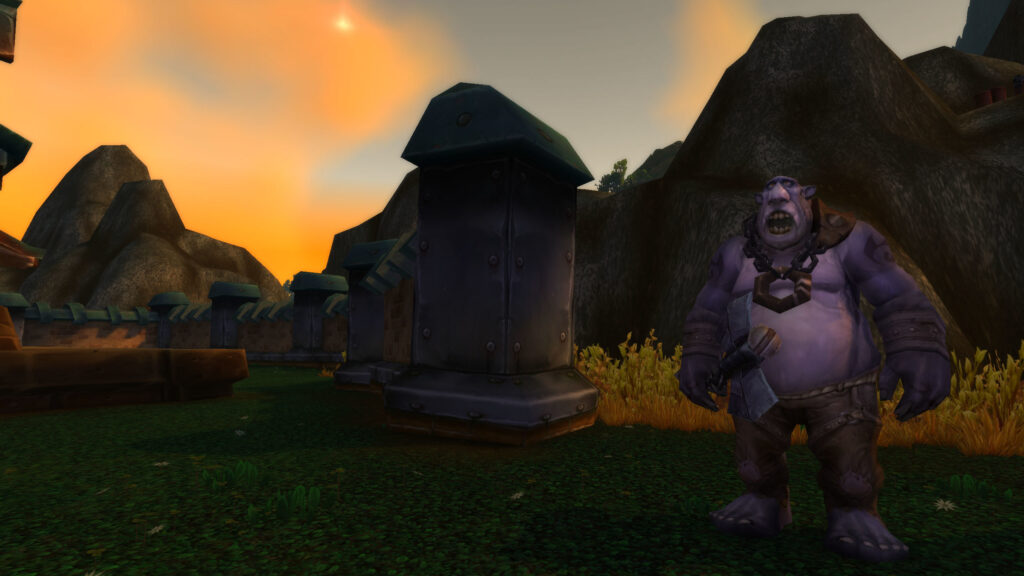
Exploring caves becomes a form of archaeology, even when not using the actual Archaeology profession.
The Underground as a Challenge Space
Caves are ideal for delivering self-contained challenges. Their tight corridors focus combat encounters, their vertical drops add platforming elements, and their branching tunnels test player navigation. Blizzard frequently hides mini-bosses, event spawns, or time-limited puzzles inside caverns to reward spatial awareness.
These challenge layers heighten the sense of discovery and danger.
Delves and Modern Underground Design
With The War Within introducing delves as key gameplay pillars, caves gained even more importance. Delves are constructed like evolved versions of classic caves—compact, replayable, filled with puzzles, and rich in rewards. Their design takes inspiration from classic cave layouts while adding richer narrative and mechanical depth.
Blizzard recognized that underground environments provide a natural framework for self-contained adventure experiences.
Zaralek Cavern: Proof That Underground Zones Can Feel Alive
Dragonflight’s Zaralek Cavern demonstrated how a large subterranean zone can feel just as dynamic as an above-ground region. Bioluminescent vegetation, hidden pockets of wildlife, rare spawn caves, ancient laboratories, and NPC factions bring life to an otherwise hostile environment. The diversity within a single underground space highlights Blizzard’s ability to create ecosystems beneath the surface.
Zaralek Cavern shows players that underground doesn’t mean lifeless—it means layered and atmospheric.
The Reward Loop of Underground Exploration
Caves encourage repeated exploration because they rarely reveal all secrets on the first visit. Some treasures respawn, certain rares appear on long timers, and profession nodes shuffle between runs. This randomness creates a subtle but satisfying loop: explore, discover, leave, return, and discover something new again.
The design invites curiosity and rewards persistence.
Why Hidden Spaces Feel More Personal Than Open Zones
Open zones are shared by every player on a server, but caves often feel like private worlds. Their enclosed nature creates the illusion of solitude and personal discovery. When a player uncovers a treasure chest or finds a rare NPC that others overlooked, the victory feels intimate and memorable. Blizzard leans into this feeling by placing individualized rewards in these spaces.
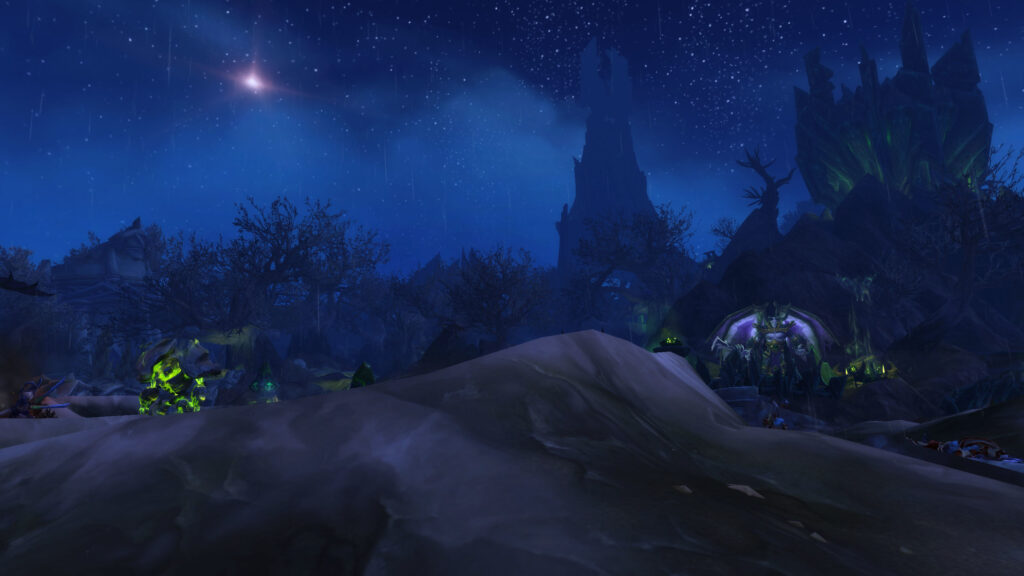
Caves offer moments of ownership in a shared world.
Conclusion
Azeroth’s caves and tunnels remain some of the most rewarding spaces to explore because they are designed as concentrated pockets of mystery, challenge, and lore. They draw players in with the promise of secrets and reward them with atmosphere, narrative depth, and gameplay variety. Whether uncovering hidden questlines, defeating rare enemies, or piecing together lore fragments from ancient carvings, exploring underground environments continues to be one of the most immersive ways to experience World of Warcraft.
The next time you pass a narrow cave entrance or glimpse a shimmering tunnel in the distance, take the time to explore it—you may discover a secret carved deep beneath the surface of Azeroth.
Leave a Reply