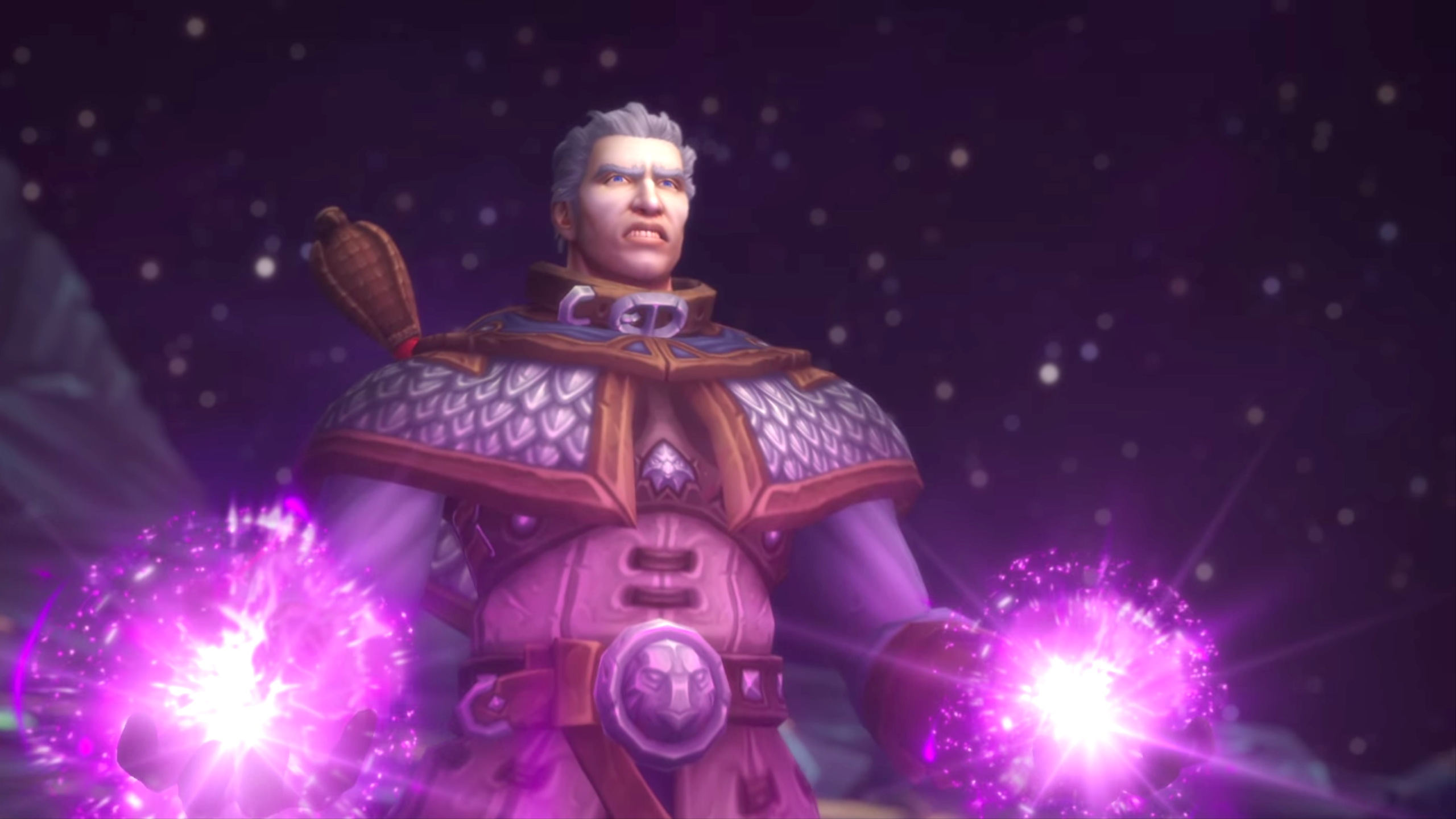
Have you ever pondered the countless conflicts that have sculpted the vast and tumultuous history of Azeroth? From the ancient clashing of titanic forces that carved the very landscape to the relentless invasions that continue to challenge its denizens, you’ve witnessed an unending cycle of struggle and resilience.
As a sophisticated observer, you’re aware that these battles, though often steeped in myth and legend, have very real consequences for the myriad races that call this world home. The Titan-Forged Legacy, a testament to the might and foresight of Azeroth’s creators, set the stage for the epic sagas that followed.
You’ll find that unraveling the intricate tapestry of the Great Wars requires a steady hand and a keen eye for detail, as the echoes of these conflicts continue to shape the present. And as the drums of war beat once more on the horizon, one can’t help but wonder: what lessons from the past still await their reckoning?
The Titan-Forged Legacy
While the Titan-Forged were created to shape Azeroth, their legacy extends far beyond their original purpose, deeply influencing the world’s history and its inhabitants. You’ve seen their impact resonate through the ages, from the fall of the Black Empire to the monumental human campaign against darkness. Their creation was pivotal in setting the stage for every conflict Azeroth has faced.
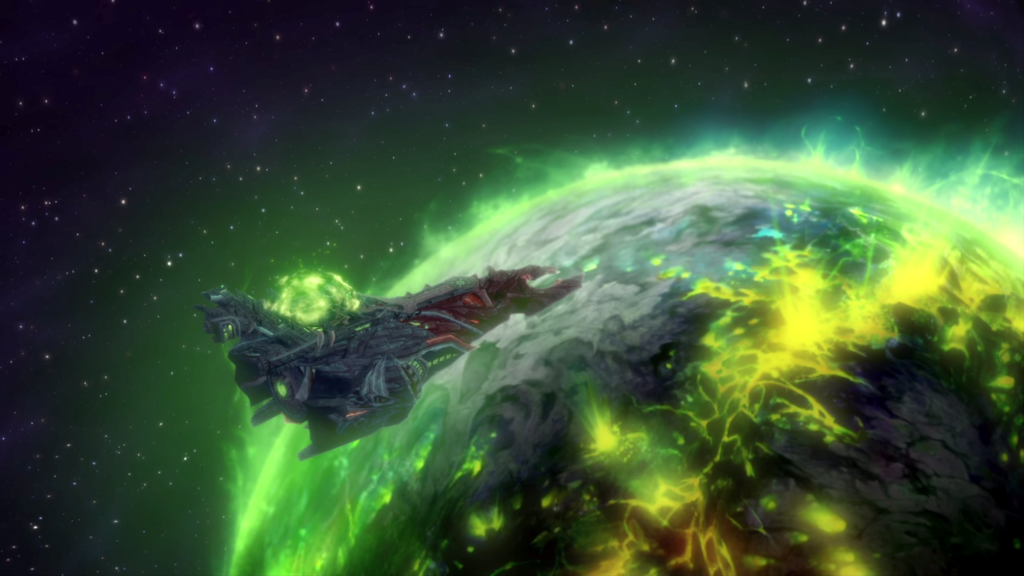
As you delve into the annals of history, you’ll discover that the Titan-Forged’s efforts to imprison the Old Gods left an indelible mark on the world. This legacy became crucial during the Battle for Azeroth, the seventh expansion of the saga, where the factions of the Horde and Alliance faced off amid the resurgence of ancient evils. The strategies and alliances formed during the human campaign against the Lich King, for instance, wouldn’t have been possible without the foundational work of the Titan-Forged.
Their creations, like the mighty Ulduar and the vigilant watchers, have stood as bulwarks against chaos. You can’t help but acknowledge that without the Titan-Forged legacy, Azeroth might’ve succumbed to the very forces it continually strives to overcome. Their story is your history—a tapestry woven through time, with every thread a testament to their enduring influence on the world of Azeroth.
The Sundering and Its Aftermath
In a cataclysmic event known as The Sundering, the ancient continent of Kalimdor splintered, reshaping Azeroth’s geography and altering the course of its history forever. You can’t help but imagine the sheer force it took to shatter a single continent into multiple landmasses. The world was never the same after this pivotal moment.
Now, the aftermath of The Sundering was a time of great turmoil and confusion. Mortal races, once living in proximity on the single continent, found themselves scattered across new, treacherous seas. Ancient powers were lost, new alliances formed, and survival became the sole focus for many. It’s as if life, as they knew it, had been turned on its head.
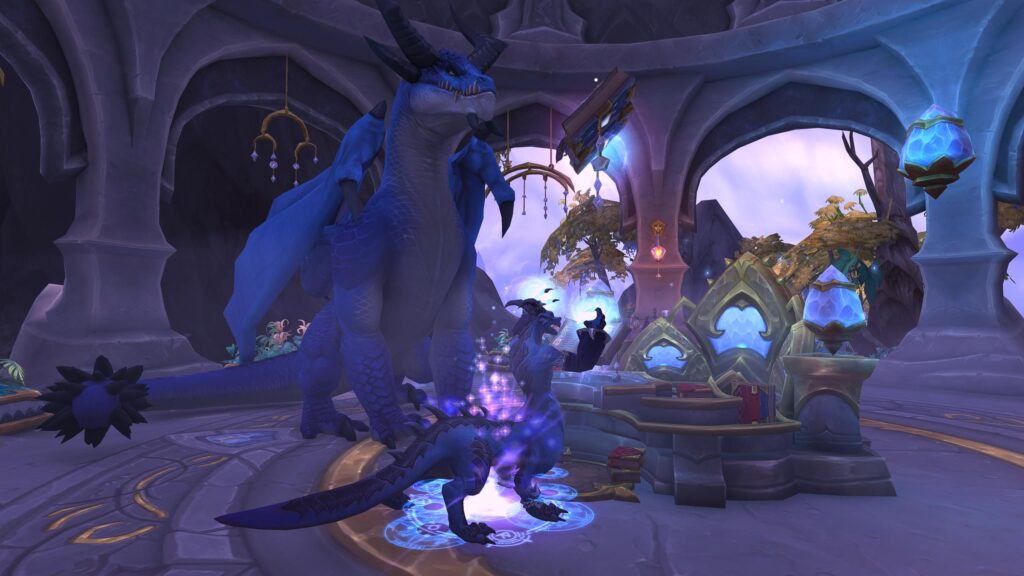
Among the survivors were the dark trolls, whose resilience in the face of such devastation speaks to the adaptability of Azeroth’s inhabitants. They began to evolve, their culture and physiology shifting to meet the challenges of a dramatically changed world. Your ancestors, the mortal races, had to navigate this new, fragmented Azeroth, seeking to rebuild and reclaim their place in a world that had been sundered beyond recognition. The legacy of The Sundering lives on, its scars etched into the land and the memories of all who endured it.
Rise and Fall of the Horde
Every chapter in Azeroth’s history is marked by conflict, but none more transformative than the rise and fall of the Horde, a faction forged in the fires of desperation and aggression. You’ve witnessed the Horde’s evolution through expansion packs, each revealing a new facet of their relentless struggle for survival and domination.
Originally, the Horde was a war machine, trampling over Azeroth with Anduin Lothar leading the Alliance’s desperate defense. However, times have changed, and the Horde and Alliance have often found common ground against greater threats, their leaders recognizing the need for cooperation despite their tumultuous past.
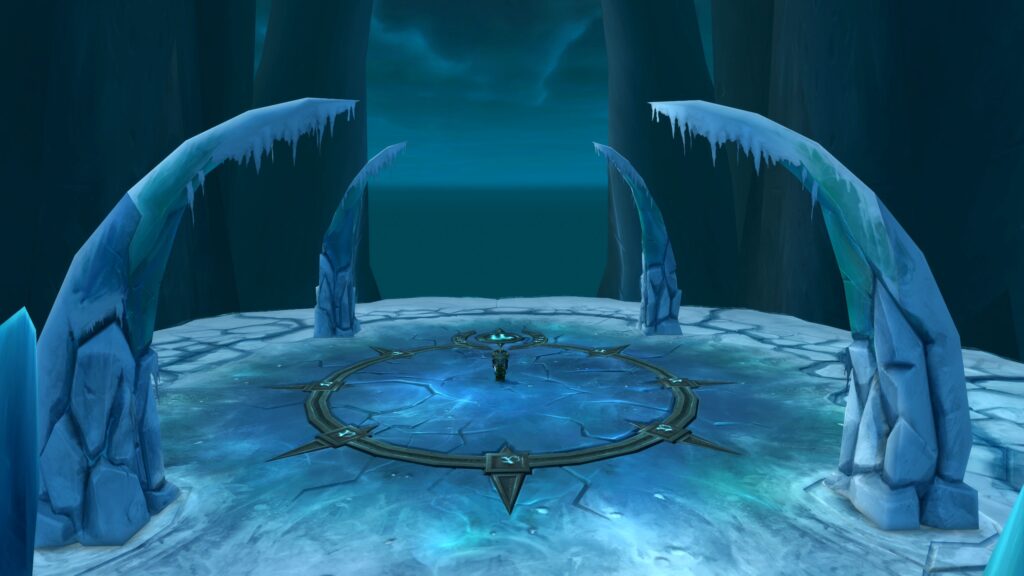
In more recent history, you’ve seen Sylvanas Windrunner ascend as the Warchief of the Horde, her leadership marked by controversy and strife. Her actions have caused deep rifts within the Horde, challenging the loyalty of its members and altering the faction’s direction.
Now, under the guidance of Anduin Wrynn, the Alliance faces the aftermath of the Horde’s internal conflicts. You’ve watched Anduin grow, his diplomacy shaping the current era of tentative peace. But remember, in Azeroth, peace is often fleeting. As you look ahead, you can’t help but wonder what the future holds for the Horde, a faction that’s risen from the ashes more than once.
The Scourge and the Frozen Throne
As you reflect on the Horde’s fraught history, it’s crucial to explore the emergence of the Scourge and its chilling grip on Azeroth, epitomized by the icy throne of the Lich King. This relentless force, born from dark magic and malice, swept through the human kingdoms with a cold fury, leaving despair in its wake. The capital city of Stormwind City stood as a beacon of hope against this darkness, its people bolstering the city’s defenses, determined to protect their home from the encroaching doom.
The Alliance and Horde, long-standing rivals, found a common enemy in the Scourge. This threat forced old adversaries to reconsider alliances, as the survival of Azeroth hung in the balance. Even the reclusive forest trolls, who’d often shunned the conflicts of humans and orcs, felt the icy touch of the Scourge’s hand. The Frozen Throne, from which the Lich King commanded his legions, became a symbol of fear that united Azeroth’s inhabitants like never before.
You must understand, the Scourge wasn’t just an enemy to be defeated; it was a shadow that threatened to swallow the world whole, a lesson in the fragile balance of life and the power of unity in the face of annihilation.
Cataclysms and the Legion’s Return
Azeroth’s relative peace shattered when the Cataclysm reshaped the world, heralding the Legion’s devastating return. The skies darkened as Deathwing, the corrupted aspect of the earth, erupted from Deepholm, tearing the very fabric of the land apart. You witnessed continents cracking, climates changing, and ancient barriers falling. The upheaval was so immense that even the stalwart nation of Kul Tiras found itself adrift, both metaphorically and physically, as new seas carved themselves through the heart of the continent.

This chaos, however, was a mere prelude to the horrors that awaited. As Azeroth reeled from the Cataclysm, the Burning Legion saw its chance to strike. They’d been thwarting your efforts for peace for ages, and now they surged forth with renewed fervor. You saw the skies blaze as demonic armies, led by the infamous Sargeras, launched an assault that would become known as the Legion’s return. Heroes rose from every corner of the shattered world, including the ranks of Kul Tiras’s finest seafarers and warriors, to stand against the tide of evil.
You fought bravely, facing countless demons and their monstrous commanders. The fate of Azeroth hung by a thread, but your resilience and the unity of the world’s defenders eventually turned the tide, repelling the invasion and securing a future for all.
Conclusion
As you’ve journeyed through Azeroth’s tapestry of conflict, you’ve seen the world’s heart beat in the rhythm of war. Each battle, a brushstroke on the canvas of history, colors the story of a land forever chasing the horizon of peace.
Like a phoenix, Azeroth rises from ashes time and again, its resilience a mirror to your own spirit. May you carry its lessons, etched in the annals of time, as a shield against the storms of your own world.
Allow me to accompany you on this journey of knowledge, as we navigate through the captivating content that propels our minds forward.
Leave a Reply