
Raid lockout structures strongly influence how players plan their weekly playtime.
By defining when progress can be made and rewards earned, lockouts create a predictable rhythm that shapes scheduling, preparation, and social coordination. This structure helps groups balance commitment with flexibility over long seasons.
Lockouts Establish Weekly Priorities
Because raid progress is gated by lockouts, groups prioritize raid nights early in the reset.
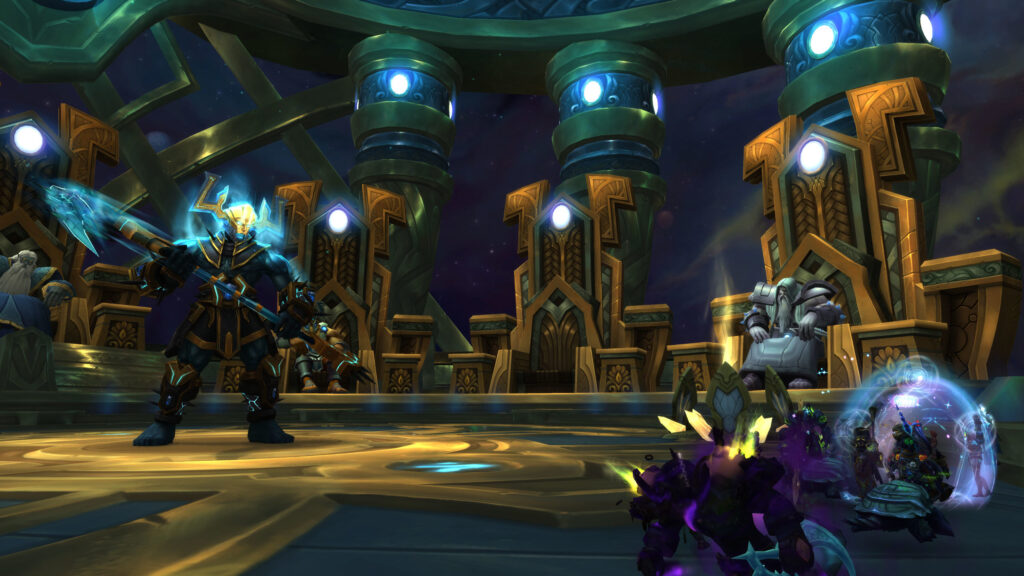
This concentration ensures maximum availability and focus when progression opportunities are freshest. Other activities are often scheduled around these fixed commitments.
Predictability Supports Consistency
Knowing exactly when raids reset allows players to plan reliably. Consumable preparation, strategy reviews, and roster confirmations align with the weekly cycle.

This predictability reduces stress and last-minute scrambling.
Flexibility Emerges Later in the Week
As the week progresses, lockout pressure eases. Groups shift toward optional content, alt runs, or recovery time. This natural taper helps manage fatigue and prevents burnout across long progression periods.
| Week Phase | Common Focus | Scheduling Effect |
|---|---|---|
| Reset window | Main progression | High attendance |
| Midweek | Cleanup and practice | Stable pacing |
| Late week | Optional content | Flexible play |
| Pre-reset | Final attempts | Targeted sessions |
Social Coordination Follows the Lockout
Guilds and static groups synchronize availability around lockout timing.
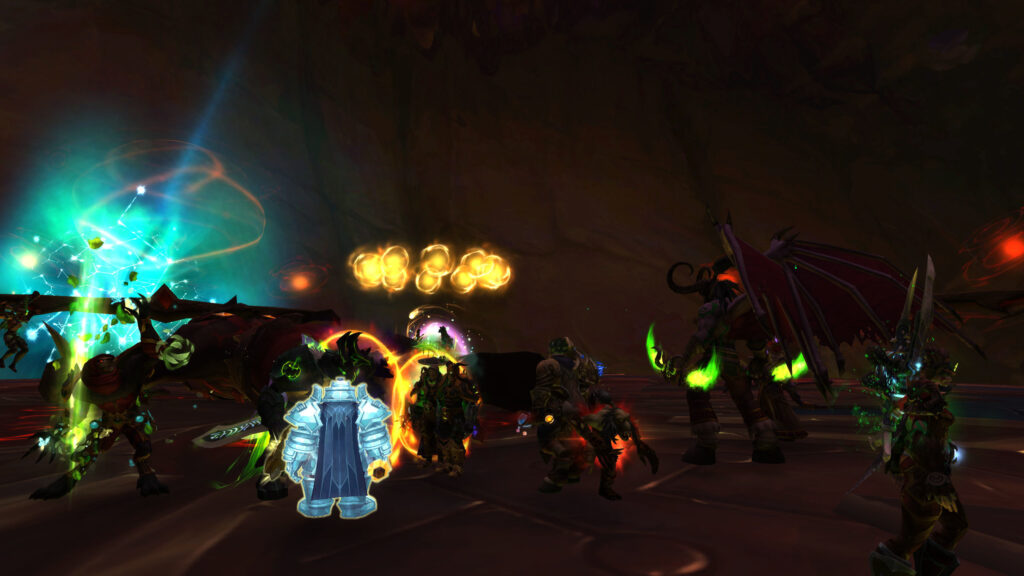
Clear expectations improve attendance and reduce friction. Over time, this rhythm becomes part of the group’s culture.
Conclusion
Raid lockout structures shape weekly play schedules by creating a predictable cadence for progression and recovery.
This rhythm supports consistent participation while allowing flexibility later in the week. When used well, lockouts balance commitment with sustainability.
Leave a Reply